
The Story Behind AFTER
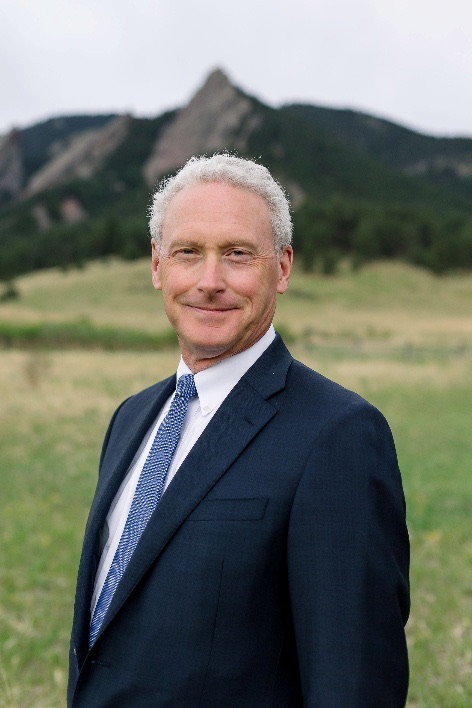
In February 2018, Robert Hoover got a call from Colorado State Patrol.
His oldest son had been seriously injured in a rear-end collision on Vail Pass. By the time Robert reached St. Anthony’s Hospital in Denver, CT scans showed bleeding on both hemispheres of his son’s brain. The injury was significant enough that the ICU, not the ER, was where his son would spend the next eighty hours.
Robert had spent his career as a trial lawyer working complex injury cases. He understood crashes, negligence, and how a normal day becomes a file full of records, photographs, and medical language. None of it made the room easier to stand in.
When the immediate crisis passed and his son was discharged, he found the system stopped leading. There was no quarterback after discharge. There was a discharge form, a stack of pamphlets, a parking validation, and a family suddenly responsible for coordinating neuropsychologists, vestibular therapists, vision specialists, insurance reviewers, school accommodations, and a young man who looked fine to the outside world and was not.
Robert spent the next several years learning what no medical school teaches a family: how to advocate inside a fragmented system, how to read symptoms that hide, how to document what no one else is documenting, how to grieve a person who is still alive, and how to keep going on the Wednesday morning three years later when the casseroles have stopped and the hard part has only just begun.
AFTER | TBI is what he wishes someone had handed his family that February.